


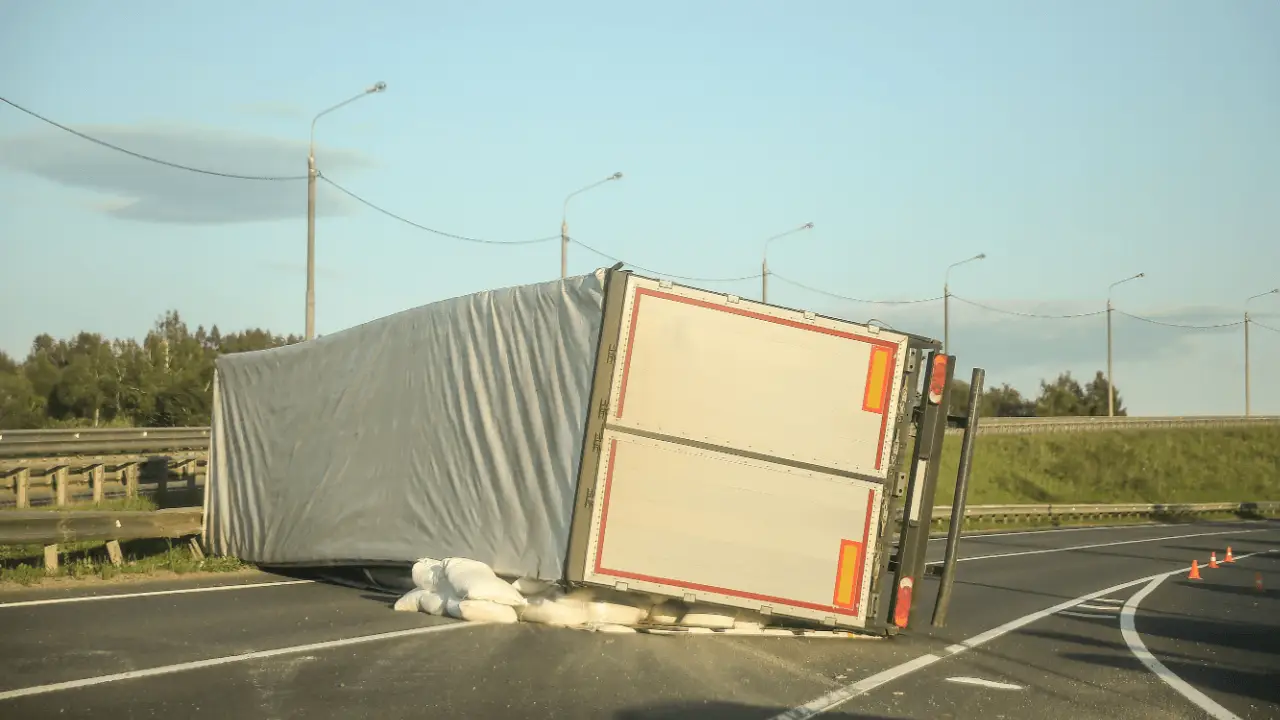
Truck Accident Fault and Liability: Complete Legal Analysis Guide
Liability Framework Explained: Truck Accident Fault and Liability Principles
Truck accident fault and liability involve identifying all parties whose negligence may have contributed to a collision. Responsible parties may include truck drivers, trucking companies, maintenance contractors, cargo loaders, parts manufacturers, and leasing entities involved in commercial vehicle operations. Liability may arise under several legal theories, including direct negligence for unsafe conduct, vicarious liability that holds employers responsible for employee actions, negligent hiring or supervision when companies retain unsafe drivers, and strict liability for defective equipment.
This guide explains how investigators determine truck accident fault and liability through detailed investigation, legal analysis, and careful evidence compilation. Readers will learn which parties may bear responsibility, how legal theories establish liability, how regulatory violations may support negligence claims, and what types of evidence strengthen fault determinations. Understanding these liability principles can help individuals recognize when accidents may result from preventable negligence rather than unavoidable circumstances.
Commercial trucking involves extensive regulations, safety standards, and operational requirements that create legal duties for drivers and companies. When those duties are breached and injuries occur, responsible parties may be held accountable through well-supported liability claims backed by evidence and expert analysis.
Key Legal Concepts: Understanding Truck Accident Fault and Liability Legal Theories
Direct Negligence Principles
Direct negligence represents one of the most common liability theories in truck accident cases. Establishing this theory generally requires showing that a defendant owed a legal duty of reasonable care, breached that duty through unsafe conduct, and caused injuries resulting from that breach.
Truck drivers must operate vehicles safely and follow traffic laws at all times. Proper licensing must be maintained, hours-of-service regulations followed, and fatigue avoided during operation. Because commercial trucks are large and potentially dangerous vehicles, drivers are expected to exercise a heightened level of care on public roads.
Trucking companies also carry significant legal responsibilities. These duties may include hiring qualified drivers, maintaining vehicles properly, establishing safe operational policies, complying with federal regulations, and supervising drivers adequately.
Vicarious Liability Doctrine
Vicarious liability allows employers to be held legally responsible for employee actions performed within the scope of employment. This principle applies even when employers exercised reasonable care in hiring or supervising their workers.
Under the doctrine of respondeat superior, trucking companies may bear responsibility for driver negligence occurring during work-related activities. These activities can include deliveries, route travel, or authorized rest breaks while operating company equipment.
This doctrine often becomes important when individual drivers lack sufficient assets or insurance coverage to address serious injuries resulting from a collision.
Negligent Hiring and Retention
Companies may face direct liability when they hire drivers with known safety violations or inadequate qualifications. Liability may also arise through negligent retention if companies continue employing drivers after discovering dangerous conduct or repeated safety violations.
Establishing these claims typically requires reviewing driver personnel files, prior employment records, background checks, and internal documentation reflecting company awareness of potential risks.
Evidence showing that a company ignored warning signs may support claims that the employer’s own decisions contributed to unsafe roadway conditions.
Step-by-Step Analysis: Investigating Truck Accident Fault and Liability Evidence
Accident Scene Investigation
The accident scene often contains critical evidence that helps investigators understand how a collision occurred. Prompt documentation may preserve details that can otherwise disappear due to weather, traffic activity, or roadway cleanup.
Key evidence may include final vehicle positions that indicate impact direction and force, skid marks showing braking distance, debris fields revealing collision dynamics, road surface conditions affecting traction, traffic signal visibility, and sight distance limitations.
Accident reconstruction specialists analyze these factors to determine collision mechanics and evaluate whether drivers had reasonable opportunities to avoid the crash.
Electronic Data Retrieval
Modern commercial trucks frequently contain electronic control modules that record operational data. These systems may track vehicle speed, braking activity, throttle position, engine performance, and collision forces during the moments leading up to an impact.
Electronic logging devices also record hours-of-service information, which may provide objective evidence of fatigue or regulatory violations. GPS systems can reveal route deviations, excessive speeds, or other potentially unsafe driving behaviors.
Because some electronic data may be overwritten or deleted over time, attorneys often send prompt preservation requests to ensure that important information remains available for investigation.
Technical experts may later download and interpret this data, converting complex technical records into understandable evidence.
Driver Record Analysis
Thorough background investigations can reveal patterns of conduct that may help establish fault. Relevant documentation may include previous accidents, traffic violations, license suspensions, failed drug tests, falsified logbook entries, or employment terminations related to safety concerns.
Motor vehicle records obtained from licensing authorities often provide official violation histories. References from prior employers may also reveal problems that were overlooked during the hiring process.
Together, these records may demonstrate both driver negligence in the present case and potential company negligence for employing drivers with known safety risks.
Liability Methods: Truck Accident Fault and Liability Through Multiple Defendants
Trucking Company Liability
Trucking companies may face liability under several legal theories. These may include vicarious liability for employee actions, direct negligence related to unsafe policies or insufficient training, negligent hiring or retention of drivers, negligent vehicle maintenance, and inadequate supervision of driver conduct.
Some trucking businesses attempt to limit liability by classifying drivers as independent contractors rather than employees. Courts, however, typically examine the practical relationship between the parties rather than relying solely on contractual language.
Factors such as operational control, equipment ownership, route assignments, scheduling authority, and economic dependence may determine whether a driver is legally considered an employee.
Owner-Operator Distinctions
Commercial trucks frequently operate under lease agreements where individual owner-operators contract with larger carriers.
Determining liability in these situations requires examining several operational factors. Courts may review dispatch authority, maintenance responsibilities, equipment control, lease agreements, and insurance arrangements.
Even under lease structures, liability may still extend to companies when they maintain substantial operational control or fail to verify driver qualifications properly.
Maintenance Contractor Responsibility
Third-party maintenance contractors may also bear responsibility when defective repairs, failed inspections, or improper service work contribute to mechanical failures that lead to accidents.
Establishing maintenance-related liability typically involves reviewing service records, inspection reports, work orders, and expert analysis showing how improper maintenance created unsafe vehicle conditions.
These claims may proceed independently or alongside claims involving negligent contractor selection or inadequate maintenance oversight by the trucking company.
Common Liability Challenges: Proving Truck Accident Fault and Liability Against Defenses
Comparative Negligence Arguments
Defense attorneys often argue that injured parties contributed to the accident through their own actions. Examples may include speeding, distracted driving, improper lane changes, or failure to yield.
In comparative negligence jurisdictions, these arguments may reduce potential compensation in proportion to a plaintiff’s share of fault. Some jurisdictions apply contributory negligence rules, where even a small degree of plaintiff fault may prevent recovery entirely.
Countering these arguments may require accident reconstruction analysis, witness testimony supporting the injured party’s account, and evidence showing that trucking violations were the primary contributing factors.
Independent Contractor Classifications
Trucking companies sometimes argue that drivers were independent contractors rather than employees in an effort to avoid vicarious liability.
Courts evaluate several factors when determining employment status. These may include route control, equipment ownership, payment structures, assignment refusal rights, tax classification, and overall economic dependence.
When courts determine that the company exercised significant operational control, vicarious liability may still apply despite contractual language suggesting independent contractor status.
Superseding Cause Claims
Defendants occasionally argue that unrelated events—such as actions by other drivers, roadway defects, or severe weather—served as superseding causes that broke the chain of liability.
However, these defenses may fail when intervening events were reasonably foreseeable. Liability may also remain when defendants created unsafe conditions or violated safety regulations that contributed to the accident.
Establishing foreseeability and proximate cause often becomes central to addressing these arguments.
Detailed Fault Analysis: Truck Accident Fault and Liability Through Regulatory Violations
Hours of Service Violations
Federal hours of service regulations limit driving time to reduce fatigue-related crashes. Current rules generally restrict daily driving to eleven hours following ten consecutive hours off duty and prohibit driving beyond fourteen hours after coming on duty. Weekly limits typically cap driving at sixty hours over seven days or seventy hours over eight days.
Violations documented through electronic logging devices may provide strong evidence of unsafe practices. Companies that pressure drivers to exceed legal limits through unrealistic delivery schedules may also face liability for creating unsafe operating conditions.
Driver Qualification Failures
Federal regulations require commercial drivers to maintain valid licenses with appropriate endorsements and medical certification confirming their fitness to operate large vehicles safely.
Carriers must also maintain qualification files documenting testing, training, and compliance with regulatory requirements.
Failure to verify driver credentials properly or retaining drivers who lose required qualifications may support negligence claims against trucking companies.
Maintenance Requirement Breaches
Federal regulations mandate structured inspection, repair, and maintenance programs for commercial vehicles.
These programs typically include pre-trip inspections, annual inspections, and immediate attention to discovered mechanical defects. Detailed maintenance records must also be maintained.
When mechanical failures such as brake defects, tire blowouts, or steering malfunctions contribute to collisions, investigators may analyze maintenance records and expert mechanical findings to determine whether regulatory violations played a role.
Legal Research Insights: Factors Affecting Truck Accident Fault and Liability Determinations
Witness Statement Credibility
Eyewitness testimony may provide important information about how a crash occurred. However, credibility can vary depending on several factors, including a witness’s position at the scene, attention level, ability to observe events clearly, and potential bias.
Independent witnesses often carry greater credibility than parties directly involved in the collision. Consistency between early statements and later testimony may also influence reliability assessments.
Multiple consistent witness accounts can strengthen fault determinations significantly.
Expert Opinion Weight
Expert witnesses frequently play a central role in truck accident investigations. Specialists may include accident reconstruction engineers, trucking industry experts, mechanical engineers, and human factors analysts.
The weight of expert testimony often depends on professional qualifications, reliability of methodology, consistency with physical evidence, and the expert’s ability to explain findings clearly under cross-examination.
In complex accident cases, expert analysis may become an essential component of fault evaluation.
Regulatory Violation Impact
In many jurisdictions, proven regulatory violations may support findings of negligence per se. This doctrine can shift the burden to defendants to demonstrate that the violation did not cause the accident.
Even when negligence per se does not apply, regulatory violations often serve as strong evidence that a defendant failed to meet established safety standards.
Companies with histories of safety violations or poor safety ratings may face increased scrutiny during litigation.
Your Liability Understanding: Navigating Truck Accident Fault and Liability Successfully
A thorough understanding of truck accident fault and liability can help individuals evaluate potential claims and recognize when multiple defendants may share responsibility.
Truck crashes rarely stem from a single mistake. Instead, many accidents reflect broader operational problems such as inadequate driver training, pressure to meet unrealistic schedules, deferred maintenance, or hiring practices that overlook safety concerns.
Comprehensive investigations sometimes reveal stronger liability cases than early evidence initially suggests. For this reason, careful analysis of all potential defendants and contributing factors is often essential.
Protect Your Rights: Get Truck Accident Fault and Liability Analysis Today
Determining truck accident fault and liability typically requires prompt investigation before key evidence disappears, witnesses’ memories fade, or company records become difficult to obtain.
Experienced truck accident attorneys may investigate accident circumstances, identify potentially responsible parties, obtain electronic evidence, analyze regulatory compliance, and consult with experts to understand how the collision occurred.
Many law firms offer free evaluations where individuals can discuss their situation, explore possible liability theories, and learn about potential investigative strategies.
Attorneys who focus on trucking litigation may also expand their practices by connecting with individuals actively seeking representation. Services that provide qualified trucking prospects may help legal professionals identify potential clients who are exploring their legal options.
Frequently Asked Questions
1. How is truck accident fault and liability different from car accident fault?
Truck accident liability may involve multiple parties, including drivers, trucking companies, contractors, or manufacturers. Federal trucking regulations impose additional duties, and companies may face responsibility for employee actions or business practices not present in typical passenger vehicle accidents.
2. Can trucking companies be liable even if drivers caused accidents?
Yes, trucking companies may face liability through employer responsibility for on-duty drivers or for their own conduct, such as hiring, training, supervision, or maintenance practices. Company involvement may be evaluated separately from driver conduct under applicable negligence principles.
3. What evidence proves truck accident fault and liability most effectively?
Common evidence includes electronic logging data, driver qualification files, maintenance and inspection records, regulatory compliance histories, accident reconstruction analysis, and expert opinions. Physical damage evidence and vehicle data may also assist in determining causation and responsibility.
4. How long do I have to establish truck accident fault and liability legally?
Time limits for filing claims are set by statutes of limitation, which vary by jurisdiction. Evidence preservation is often time-sensitive, as electronic data and witness recollections may degrade or be lost before filing deadlines expire.
5. Can multiple parties share truck accident fault and liability simultaneously?
Yes, truck accidents may involve shared responsibility among multiple parties, such as drivers, companies, contractors, or manufacturers. Liability allocation depends on jurisdictional rules, and responsibility may be divided based on each party’s conduct.
Key Takeaways
- Multiple Defendants Common: Truck accident fault and liability rarely involves single responsible parties but instead may include drivers, trucking companies, maintenance contractors, cargo loaders, and manufacturers whose combined negligence caused collisions and catastrophic injuries.
- Regulatory Violations Prove Fault: Federal Motor Carrier Safety Regulation violations including hours of service breaches, driver qualification failures, maintenance requirement violations, and cargo securement deficiencies may establish negligence and strengthen fault determinations substantially.
- Company Liability Extends Beyond Drivers: Trucking companies may face vicarious liability for driver employee actions plus direct liability for negligent hiring, inadequate training, unsafe policies, pressure to violate regulations, and deferred maintenance creating dangerous conditions.
- Immediate Investigation Critical: Electronic logging device data, maintenance records, driver files, and accident scene evidence may disappear within weeks without prompt legal preservation demands, making early attorney engagement essential to protecting fault evidence.
- Expert Analysis Strengthens Cases: Accident reconstructionists, trucking industry specialists, mechanical engineers, and regulatory compliance experts may provide crucial opinions connecting violations to causation and establishing fault against well-funded defense teams representing commercial trucking interests.


Free Accident Claim Review
Complete the form to have an attorney review your accident claimCOMPLETE THE FORM TO BE CONNECTED WITH AN ACCIDENT ATTORNEY
No Matching Partners at the Moment
Thank you for your inquiry but there are no matches for you at this time. Please come back later and try again.

Recent Posts
- Truck Accident Fault and Liability: Complete Legal Analysis Guide
- Truck Accident Settlement Timeline: Understanding Your Path to Compensation
- Truck Accident Settlement Process: Your Complete Legal Recovery Guide
- What Is a Reasonable Truck Accident Settlement: Understanding Your Claim Value
- Factors Affecting Truck Accident Settlements: What Determines Your Compensation
Archives
- April 2026
- March 2026
- February 2026
- January 2026
- December 2025
- November 2025
- October 2025
- September 2025
- August 2025
- July 2025
- June 2025
- May 2025
- March 2025
- February 2025
- January 2025
- October 2024
- September 2024
- August 2024
- July 2024
- June 2024
- May 2024
- April 2024
- March 2024
- February 2024
- January 2024
- December 2023
- November 2023
- October 2023
- September 2023
- August 2023
- July 2023
- June 2023
- May 2023
- March 2023
- February 2023
- January 2023
- November 2022
- October 2022
- September 2022
- August 2022
- May 2022
- April 2022
- March 2022
- February 2022
- January 2022
- December 2021
- November 2021