


Commercial Truck Accident Fault: Understanding Liability
Legal Framework: Commercial Truck Accident Fault Standards
Establishing commercial truck accident fault requires understanding federal regulations enforced by the Federal Motor Carrier Safety Administration. These rules create specific duties that trucking companies and drivers must follow, unlike passenger vehicle collisions.
Commercial carriers operate under strict safety standards covering driver qualifications, vehicle inspections, and cargo securement. When accidents occur, investigators examine whether violations of these regulations contributed to the crash. This regulatory framework often makes establishing fault more straightforward, as documented violations provide clear evidence of negligence.
Evidence Collection: Proving Commercial Truck Accident Fault
Electronic Data Systems
Modern commercial trucks contain recording devices that capture critical accident data. Electronic logging devices track driving hours and compliance with mandatory break requirements. Event data recorders store information about vehicle speed and braking patterns before impact.
This technology provides objective evidence establishing commercial truck accident fault by showing exactly what occurred. GPS systems document route history, while engine control modules reveal maintenance issues or mechanical failures.
Physical Evidence Analysis
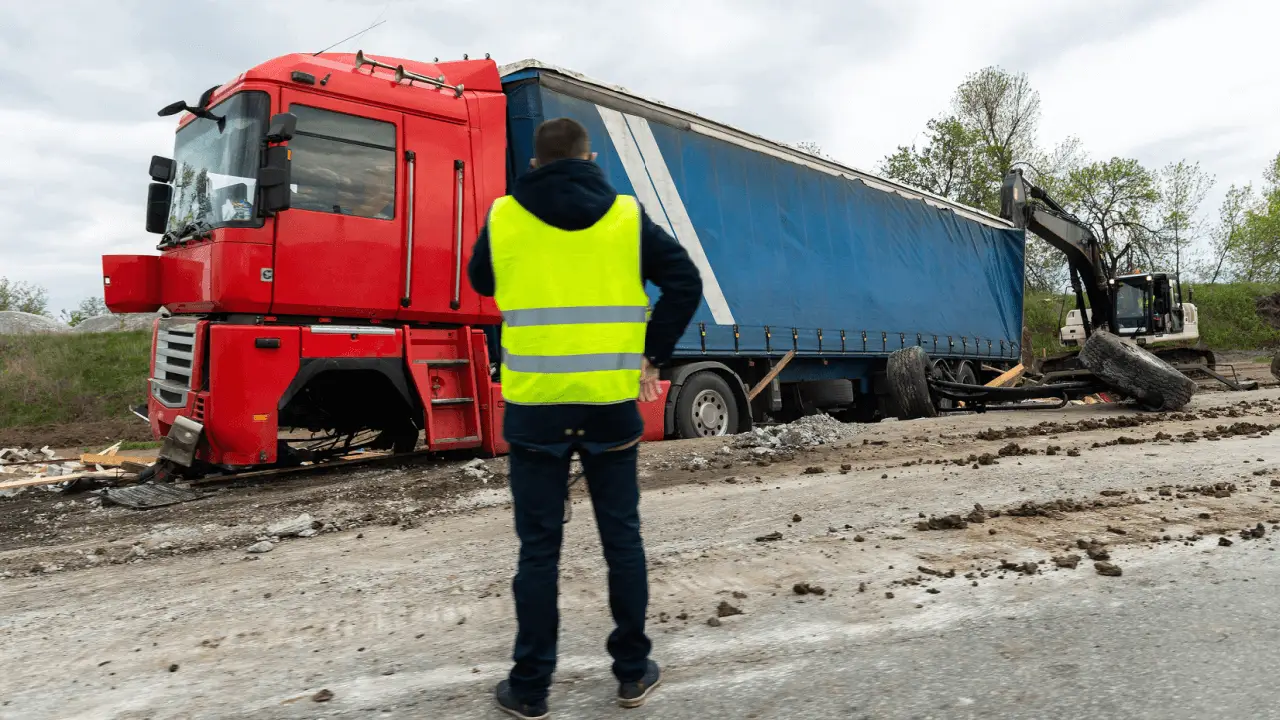
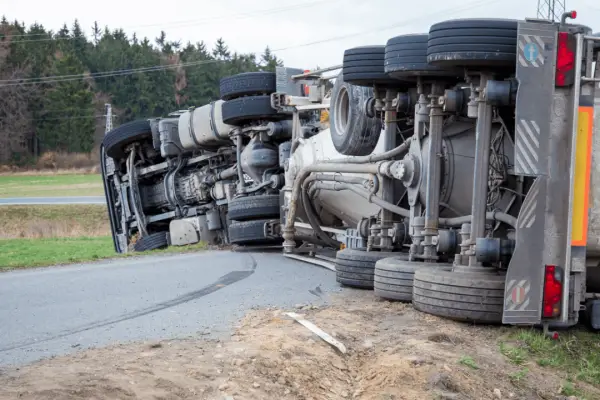
Accident reconstruction specialists examine skid marks, vehicle damage, and debris fields to understand collision dynamics. Tire condition, brake functionality, and structural integrity all factor into fault determination. Load distribution and cargo securing methods are scrutinized when freight contributed to the accident.
Documentation Review
Driver qualification files reveal whether operators held proper licenses and medical certifications. Hours-of-service logs show compliance with federal rest requirements. Vehicle maintenance records document whether companies performed required inspections.
Training records demonstrate whether drivers received adequate instruction. Company safety policies show whether carriers prioritized compliance or encouraged dangerous practices to meet delivery schedules.
Negligence Categories: Types of Commercial Truck Accident Fault
Driver-Level Violations
Individual operators create liability through unsafe driving behaviors including excessive speed, improper following distances, and failure to yield. Distracted driving from cell phone use or vehicle adjustments diverts attention from roadway hazards. Impaired operation from substances violates both criminal law and federal safety standards.
Inadequate training shows when drivers cannot properly execute turns or manage blind spots. Fatigue from hours-of-service violations impairs reaction time and decision-making ability.
Corporate Responsibility
Trucking companies bear responsibility for commercial truck accident fault through their hiring, training, and supervision practices. Negligent hiring occurs when carriers employ drivers with poor safety records or inadequate experience. Insufficient training leaves operators unprepared for emergency maneuvers.
Companies that pressure drivers to meet unrealistic delivery schedules create environments where safety violations become necessary. Inadequate vehicle maintenance programs allow brake failures and mechanical defects to develop.
Third-Party Liability
Maintenance contractors who service commercial fleets may share commercial truck accident fault when improper repairs cause equipment failures. Parts manufacturers face strict liability when defective components malfunction. Cargo loading companies that exceed weight limits or fail to secure freight properly contribute to crashes.
Leasing companies providing vehicles without ensuring proper maintenance create liability when mechanical failures occur. Dispatch services making routing decisions that require hours-of-service violations share responsibility for fatigue-related crashes.
Investigation Process: How Commercial Truck Accident Fault Gets Determined
Professional investigators begin gathering evidence immediately after commercial truck crashes. They photograph scene conditions, interview witnesses, and document environmental factors. Investigators request preservation of electronic data and maintenance records that companies might otherwise destroy.
Specialists analyze whether federal safety regulations were violated and how those violations contributed to the collision. They examine driver files, company safety ratings, and prior violation history. Expert witnesses reconstruct accident dynamics using physics principles and vehicle performance data.
Insurance companies conduct parallel investigations seeking to minimize liability exposure. Legal representation helps ensure thorough investigation and proper interpretation of complex technical evidence.
Legal Rights: Understanding Commercial Truck Accident Fault Claims
Understanding commercial truck accident fault empowers victims to pursue appropriate legal action against responsible parties. The complexity of federal regulations and multiple potential defendants makes professional legal guidance valuable.
Thorough investigation identifies all parties whose negligence contributed to injuries. Proper evidence preservation prevents destruction of critical proof. Experienced representation navigates the intersection of state tort law and federal transportation regulations.
Take Action: Get Your Commercial Truck Accident Reviewed
If you’ve been injured in a commercial truck collision, understanding fault is essential for protecting your legal rights. Our network connects you with attorneys experienced in commercial truck accident fault cases throughout California. These lawyers offer free consultations to evaluate your claim.
Personal injury lawyers seeking caseload expansion can leverage exclusive trucking accident lead services tailored to their practice needs. These marketing solutions deliver potential clients who have experienced commercial vehicle collisions and are actively pursuing legal options.
Frequently Asked Questions
1. How does commercial truck accident fault differ from regular car accidents?
Commercial truck cases involve federal safety regulations, higher standards of care, corporate liability, and more complex evidence including electronic logging devices and maintenance records that don’t apply to passenger vehicles.
2. Can multiple parties share commercial truck accident fault?
Yes, drivers, trucking companies, maintenance providers, manufacturers, cargo loaders, and leasing companies may all share liability depending on how their actions or failures contributed to the collision.
3. What role do federal regulations play in establishing fault?
Federal Motor Carrier Safety Administration regulations create specific legal duties for commercial carriers. Violations of these rules provide clear evidence of negligence and often establish fault without requiring additional proof.
4. How long do I have to file a commercial truck accident fault claim?
California generally allows two years from the accident date to file personal injury lawsuits, though government entity involvement or specific circumstances may shorten this timeframe.
5. What evidence is most critical for proving commercial truck accident fault?
Electronic logging device data, event data recorder information, hours-of-service logs, maintenance records, driver qualification files, and company safety policies provide the strongest evidence in commercial truck cases.
Key Takeaways
- Commercial truck accident fault involves federal safety regulations that create higher standards of care than apply to passenger vehicle operators.
- Electronic logging devices and event data recorders provide objective evidence about driver behavior and vehicle conditions before collisions occur.
- Trucking companies can be held liable for inadequate hiring, training, supervision, and maintenance practices even when drivers cause crashes.
- Multiple parties including manufacturers, cargo loaders, and maintenance contractors may share liability based on their contributions to accident causation.
- Professional legal representation helps preserve critical evidence, navigate complex federal regulations, and identify all potentially responsible parties.
Free Accident Claim Review
Complete the form to have an attorney review your accident claimCOMPLETE THE FORM TO BE CONNECTED WITH AN ACCIDENT ATTORNEY
No Matching Partners at the Moment
Thank you for your inquiry but there are no matches for you at this time. Please come back later and try again.

Recent Posts
- Commercial Truck Accident Fault: Understanding Liability
- Truck Driver vs Trucking Company Liability: Legal Guide
- Who Is at Fault in a Truck Accident? Legal Guide to Liability & Compensation
- Truck Accident Fault and Liability: Complete Legal Analysis Guide
- Truck Accident Settlement Timeline: Understanding Your Path to Compensation
Archives
- May 2026
- April 2026
- March 2026
- February 2026
- January 2026
- December 2025
- November 2025
- October 2025
- September 2025
- August 2025
- July 2025
- June 2025
- May 2025
- March 2025
- February 2025
- January 2025
- October 2024
- September 2024
- August 2024
- July 2024
- June 2024
- May 2024
- April 2024
- March 2024
- February 2024
- January 2024
- December 2023
- November 2023
- October 2023
- September 2023
- August 2023
- July 2023
- June 2023
- May 2023
- March 2023
- February 2023
- January 2023
- November 2022
- October 2022
- September 2022
- August 2022
- May 2022
- April 2022
- March 2022
- February 2022
- January 2022
- December 2021
- November 2021