


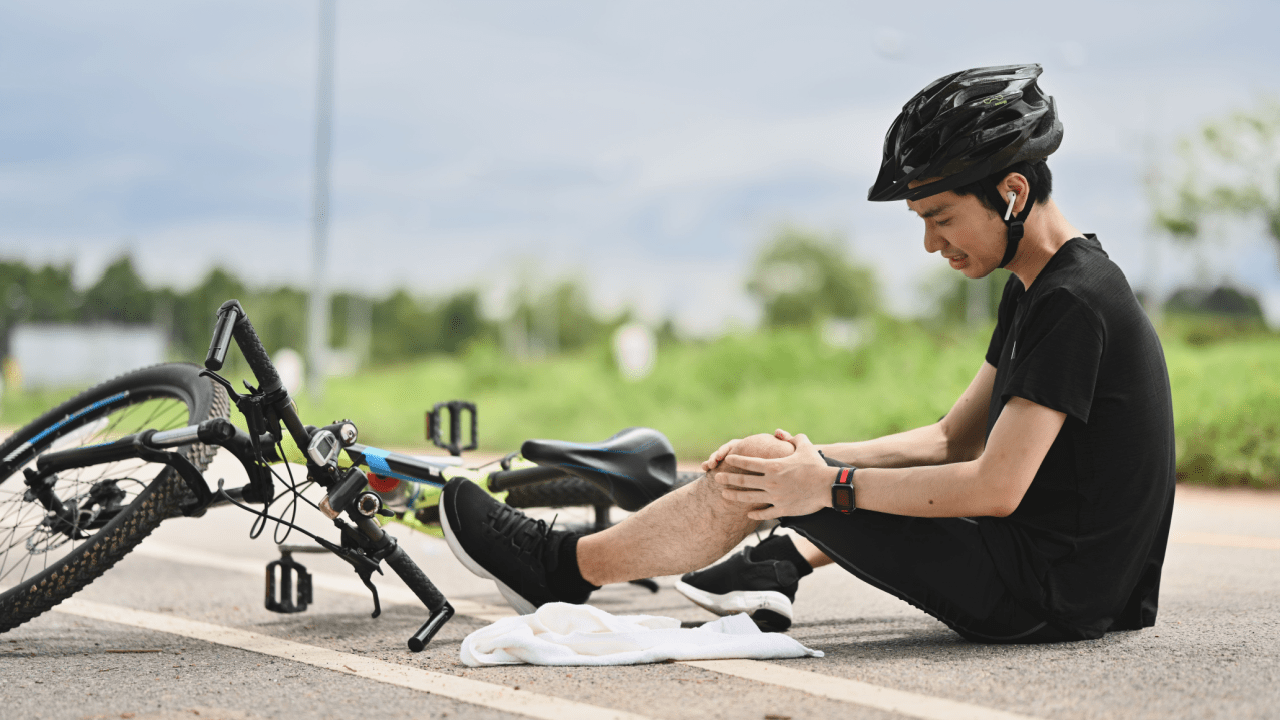
How Do You Prove Fault in a Bicycle Accident Case: Your Complete Legal Evidence Guide
Essential Legal Foundation: How Do You Prove Fault in a Bicycle Accident Case
Bicycle accident victims face unique challenges when proving fault because many drivers and insurance companies unfairly blame cyclists for collisions. Understanding how to build a strong evidence case protects your legal rights and explains how fault is established. This guide explains exactly what evidence you need, how to gather it effectively, and which legal strategies prove driver negligence in bicycle accident cases. You’ll learn actionable steps to document fault immediately after a crash, compelling evidence types used in settlement discussions, and how experienced attorneys strengthen your bicycle accident claim with professional investigation and expert testimony.
Building Your Bicycle Accident Case
Physical Evidence from the Crash Scene
Physical evidence provides the most powerful proof of fault in bicycle accident litigation. Photograph vehicle damage, bicycle condition, skid marks, road debris, traffic signs, and intersection layouts immediately after the collision. According to the National Highway Traffic Safety Administration, proper crash scene documentation significantly strengthens bicycle accident claims by establishing precise collision dynamics and driver behavior patterns.
Document weather conditions, road surface quality, visibility factors, and any traffic control device positioning. Tire marks indicate sudden braking or swerving, while vehicle damage location reveals impact points confirming fault. Preserve your damaged bicycle and torn clothing as tangible evidence. Insurance adjusters cannot dispute photographic documentation showing clear liability indicators like vehicles in bike lanes or intersection violations.
Witness Testimony and Official Reports
Independent witness statements provide credible third-party verification of how the bicycle accident occurred. Collect names, phone numbers, and written accounts from pedestrians, other cyclists, and drivers who observed the collision. Witnesses without personal connections to either party carry substantial legal weight because they offer unbiased accident reconstruction details.
Police reports establish official fault determination through officer investigation and citation issuance. Officers document traffic violations, interview parties involved, record witness statements, and create crash diagrams. The Federal Highway Administration emphasizes that official accident reports significantly influence insurance claim outcomes and legal proceedings. Request your complete police report within days of the accident, reviewing it carefully for accuracy and completeness.
Medical Documentation Linking Injuries to the Crash
Comprehensive medical records prove injury severity and causation by connecting your physical harm directly to the bicycle accident. Seek immediate emergency care, even for seemingly minor injuries, because delayed treatment allows insurance companies to question injury legitimacy. Emergency room reports, diagnostic imaging, treatment plans, and physician statements establish your injury timeline and prognosis.
Medical documentation should include initial injury assessments, ongoing treatment records, physical therapy progress notes, and specialist consultations. Expert medical testimony explains how accident forces caused specific injuries, supporting your compensation demand. According to Centers for Disease Control and Prevention, bicycle accident injuries often involve head trauma, fractures, and soft tissue damage requiring extensive documentation for claim evaluation.
Legal Requirements Explained
Establishing Duty and Breach
Proving fault requires demonstrating four negligence elements: duty, breach, causation, and damages. All drivers owe cyclists a legal duty to operate vehicles safely, follow traffic laws, and watch for vulnerable road users. Breach occurs when drivers violate this duty through distracted driving, speeding, failing to yield, unsafe passing, or traffic violations.
Evidence proving breach includes traffic citations, dash camera footage, cell phone records showing texting while driving, and vehicle black box data. State traffic codes establish specific duties like three-foot passing laws and right-of-way rules at intersections. Experienced bicycle accident attorneys understand how to connect driver actions to legal duty violations, building compelling negligence arguments relevant to settlement discussions.
Demonstrating Causation and Damages
Causation proves the driver’s breach directly caused your bicycle accident injuries. Accident reconstruction experts analyze physical evidence, creating scientific analyses of collision mechanics, vehicle speeds, and impact forces. This expert testimony establishes clear causation chains connecting driver negligence to your specific injuries and financial losses.
Damages documentation quantifies your compensation claim through medical bills, lost wages, property damage receipts, and pain and suffering evidence. Comprehensive damages proof includes future medical needs, permanent disability impacts, lost earning capacity, and quality of life reductions. Strong causation and damages evidence connects liability proof to claimed damages.
Overcoming Common Defense Tactics: Protecting Your Rights
Insurance companies employ aggressive tactics to minimize bicycle accident payouts by claiming comparative fault, questioning injury severity, or disputing causation. They may argue you violated traffic laws, failed to wear a helmet, or rode unpredictably. Counter these strategies with overwhelming evidence, expert testimony, and aggressive legal representation.
Preserve all evidence immediately, avoid recorded statements without attorney guidance, and exercise caution when reviewing early settlement offers. Insurance adjusters exploit accident victims’ stress and financial pressure, offering inadequate compensation before full damages emerge. Professional legal counsel protects you from unfair blame-shifting and ensures evidence preservation through formal legal processes. Attorneys subpoena traffic camera footage, obtain vehicle black box data, and hire accident reconstruction specialists who provide irrefutable fault proof.
Compensation Considerations
Proving fault in bicycle accident cases requires immediate evidence collection, comprehensive documentation, and experienced legal advocacy protecting your rights against aggressive insurance tactics. Strong evidence helps establish liability and supports claim evaluation for causing preventable injuries. Don’t let insurance companies minimize your bicycle accident claim with unfair fault allegations.
Prove Fault Effectively Today
Our experienced bicycle accident attorneys provide free case reviews helping injured cyclists prove fault effectively and understand available legal options. We investigate crashes thoroughly, gather compelling evidence, and address insurance claim issues. Contact our team today for your free consultation. Time limits apply to evidence preservation and claim filing. Start protecting your legal rights now.
Frequently Asked Questions
1. What evidence proves fault most effectively in bicycle accidents?
Physical crash scene evidence, independent witness statements, police reports citing driver violations, and traffic camera footage provide the strongest fault proof, especially when combined with expert accident reconstruction analysis.
2. Can helmet non-use reduce my bicycle accident compensation?
While helmet laws vary by state, failure to wear a helmet typically cannot prevent compensation recovery but may reduce damages in comparative negligence states if it contributed to head injury severity.
3. How long do I have to file a bicycle accident claim?
Most states impose two to three-year statute of limitations for bicycle accident personal injury claims, though government entity claims require notice within 30-180 days, making immediate legal consultation essential.
4. What if the driver claims I caused the bicycle accident?
Comprehensive evidence collection, witness testimony, traffic law analysis, and expert reconstruction testimony effectively counter false driver allegations, protecting your compensation rights through clear liability proof.
5. Do I need an attorney to prove fault in bicycle accident cases?
While not legally required, experienced attorneys significantly strengthen fault proof through professional investigation, expert witness coordination, evidence preservation, and aggressive insurance company negotiation, typically resulting in substantially higher settlements.
Key Takeaways
- Immediate crash scene documentation through photographs, measurements, and witness contact information establishes critical physical evidence proving driver fault and liability.
- Police reports, traffic citations, and official investigations provide authoritative third-party fault determination that insurance companies cannot easily dispute during claim negotiations.
- Comprehensive medical documentation connecting injuries directly to the bicycle accident strengthens causation proof and maximizes compensation recovery for all damages.
- Expert witnesses including accident reconstruction specialists, medical professionals, and traffic engineers provide scientific analysis that overcomes insurance company defense tactics effectively.
- Experienced bicycle accident attorneys protect your rights by gathering compelling evidence, preserving critical proof, and fighting unfair comparative fault allegations from insurers. Legal representation services deliver substantially higher settlement outcomes.
Free Accident Claim Review
Complete the form to have an attorney review your accident claim
GET THE COMPENSATION YOU DESERVE
COMPLETE THE FORM TO BE CONNECTED WITH AN ACCIDENT ATTORNEY
❌
No Matching Partners at the Moment
Thank you for your inquiry but there are no matches for you at this time. Please come back later and try again.

Recent Posts
- Benefits of Hiring a Truck Accident Lawyer: Expert Legal Help
- Truck Accident Lawyer: Your Essential Guide to Expert Legal Representation
- When Should You Get a Truck Accident Lawyer for Maximum Compensation
- Should I Hire a Lawyer for a Truck Accident? Get Expert Legal Guidance
- Do I Need a Lawyer After a Truck Accident? Get Expert Legal Guidance
Archives
- March 2026
- February 2026
- January 2026
- December 2025
- November 2025
- October 2025
- September 2025
- August 2025
- July 2025
- June 2025
- May 2025
- March 2025
- February 2025
- January 2025
- October 2024
- September 2024
- August 2024
- July 2024
- June 2024
- May 2024
- April 2024
- March 2024
- February 2024
- January 2024
- December 2023
- November 2023
- October 2023
- September 2023
- August 2023
- July 2023
- June 2023
- May 2023
- March 2023
- February 2023
- January 2023
- November 2022
- October 2022
- September 2022
- August 2022
- May 2022
- April 2022
- March 2022
- February 2022
- January 2022
- December 2021
- November 2021