


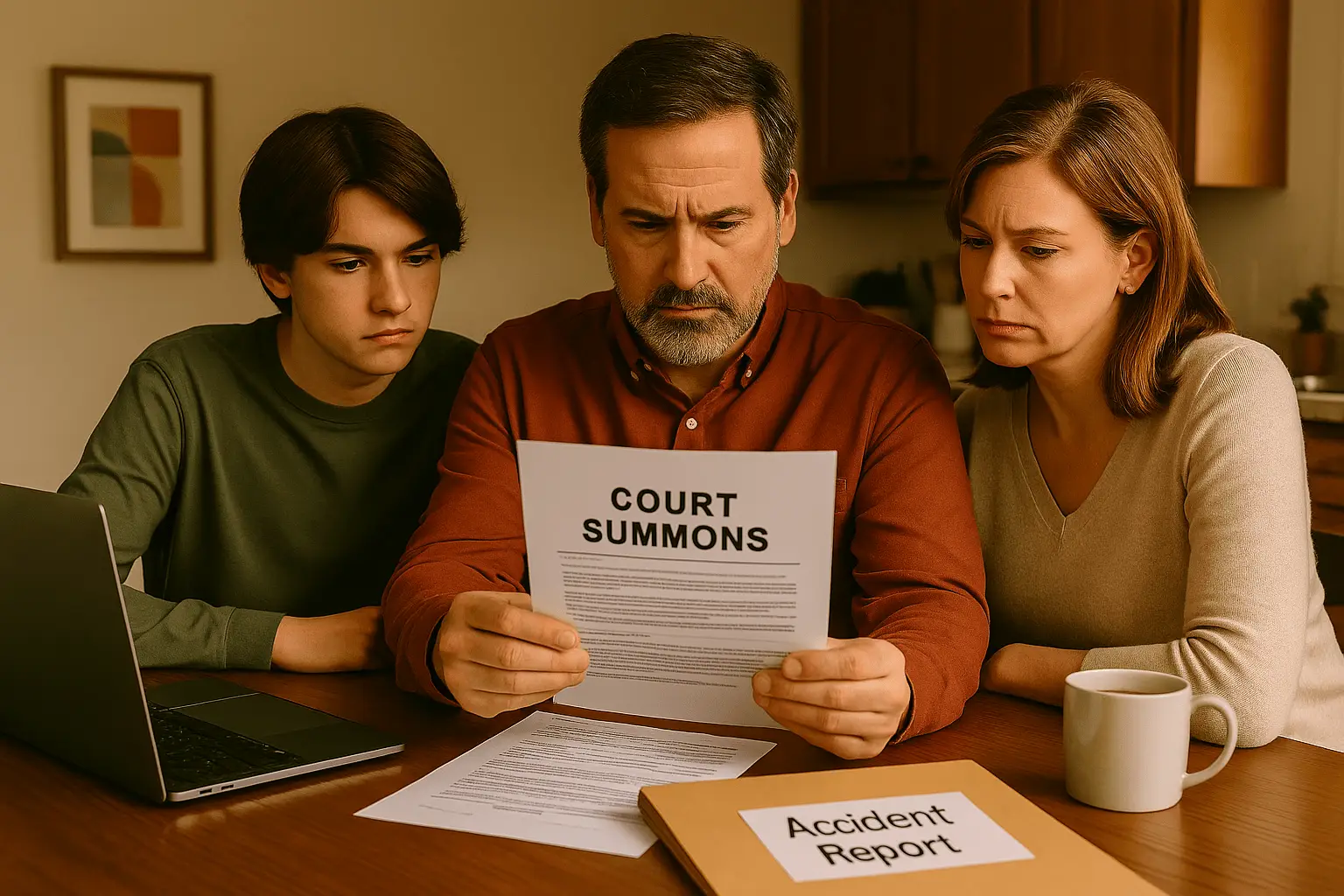
Why Do I Have to Go to Court After a Car Accident? What It Means for Your Claim
Why Do I Have to Go to Court After a Car Accident?
If you’ve been in a collision, you may wonder, Why do I have to go to court after a car accident? Many people assume insurance will resolve everything. However, certain situations still require court involvement.
Common Reasons You May Be Required to Appear in Court
There are several reasons why you might be summoned to court after a crash.
- Disputed Liability: If there’s disagreement about who caused the accident, a judge may need to decide.
- Unpaid Damages: If one party disputes responsibility for car repairs or medical bills, the matter may proceed to small claims or civil court.
- Traffic Violations or Tickets: If the crash involved reckless driving or a citation, you may need to appear in traffic court.
- Injury Lawsuits: If someone files a personal injury claim, you may be required to testify or respond in court.
You may visit TrafficAccidents.com to learn more about how liability is determined and how it can affect your case.
Civil vs. Criminal Cases After a Car Accident
Not all car accident court cases are the same. Here’s how they differ:
Civil Cases
These cases often involve disputes related to:
- Medical expenses
- Vehicle repair costs
- Alleged non-economic harm, such as pain and suffering
You may file or defend a lawsuit if no settlement is reached.
Criminal Cases
These are rare and occur when a driver breaks the law (e.g., DUI or hit-and-run). These cases are prosecuted by the state and can lead to fines, license suspension, or jail time.
For example, if your crash involved DUI, you may want to review Legal Brand Marketing’s educational resources on drunk driving defense to better understand how these cases are typically handled.
Do All Car Accident Claims End Up in Court?
In most cases, no many claims settle out of court.
- Insurance Settlements: Most car accident claims are handled through insurance negotiations. Learn more about insurance claims and how they work.
- Mediation: Some parties choose to resolve disputes outside of court using mediation.
- Uninsured Drivers: If the at-fault driver lacks insurance, a court appearance may be required to resolve the dispute or determine responsibility.
Even if you do file a claim, it’s still possible to reach a settlement before trial. However, you may still need to appear for depositions or hearings.
Going to Court After a Crash: What You Should Know
So, why do I have to go to court after a car accident? Whether it’s due to contested liability, unpaid damages, or legal claims, court involvement often means one or more parties couldn’t reach an agreement. Preparation is key—gather evidence, communicate clearly, and know your rights.
You can also learn more about car accident injuries and legal damages that are often part of court cases.
Get Help Answering “Why Do I Have to Go to Court After a Car Accident?”
If you’re asking why do I have to go to court after a car accident, you may wish to speak with a licensed attorney to discuss whether your situation may require court involvement. The legal process can be complex, and understanding your options early may be helpful. Fill out the form in TrafficAccidents.com to get connected with attorneys who handle accident claims and court representation.
Frequently Asked Questions (FAQs)
1. What if I ignore the court summons after a car accident?
Ignoring a summons can result in a default judgment against you or even additional penalties. Always respond promptly.
2. Can I settle my car accident claim without going to court?
Yes. Many claims are settled through insurance negotiations or mediation before trial becomes necessary.
3. Do I need a lawyer if I go to court after an accident?
Legal representation is not required in all cases, but some individuals choose to consult a licensed attorney for guidance. A lawyer can help you protect your rights and present a strong case.
4. What happens if the other driver doesn’t show up to court?
If the defendant fails to appear, the court may issue a default judgment, depending on the circumstances and court rules.
5. Will the court decision impact my insurance rates?
Yes. Being found at fault can result in higher premiums or even policy cancellation.
Key Takeaways
- You may go to court if there’s a dispute over fault or damages.
- Civil cases involve compensation; criminal cases involve legal penalties.
- Most accident claims settle out of court.
- Court can be avoided through insurance or mediation.
- Legal guidance may be helpful when navigating post-accident court proceedings.



Free Accident Claim Review
Complete the form to have an attorney review your accident claim
GET THE COMPENSATION YOU DESERVE
COMPLETE THE FORM TO BE CONNECTED WITH AN ACCIDENT ATTORNEY
❌
No Matching Partners at the Moment
Thank you for your inquiry but there are no matches for you at this time. Please come back later and try again.

Recent Posts
- How Do Insurance Companies Evaluate Injury Claims? Get Maximum Compensation
- What Injuries Qualify for Compensation in Personal Injury Claims? Navigating the Legal System
- What Evidence Is Needed for a Personal Injury Claim to Win Compensation?
- How Personal Injury Claims Work: Your Step-by-Step Legal Journey
- What Color Do Judges Like to See in Court for Personal Injury Cases?
Archives
- February 2026
- January 2026
- December 2025
- November 2025
- October 2025
- September 2025
- August 2025
- July 2025
- June 2025
- May 2025
- March 2025
- February 2025
- January 2025
- October 2024
- September 2024
- August 2024
- July 2024
- June 2024
- May 2024
- April 2024
- March 2024
- February 2024
- January 2024
- December 2023
- November 2023
- October 2023
- September 2023
- August 2023
- July 2023
- June 2023
- May 2023
- March 2023
- February 2023
- January 2023
- November 2022
- October 2022
- September 2022
- August 2022
- May 2022
- April 2022
- March 2022
- February 2022
- January 2022
- December 2021
- November 2021