


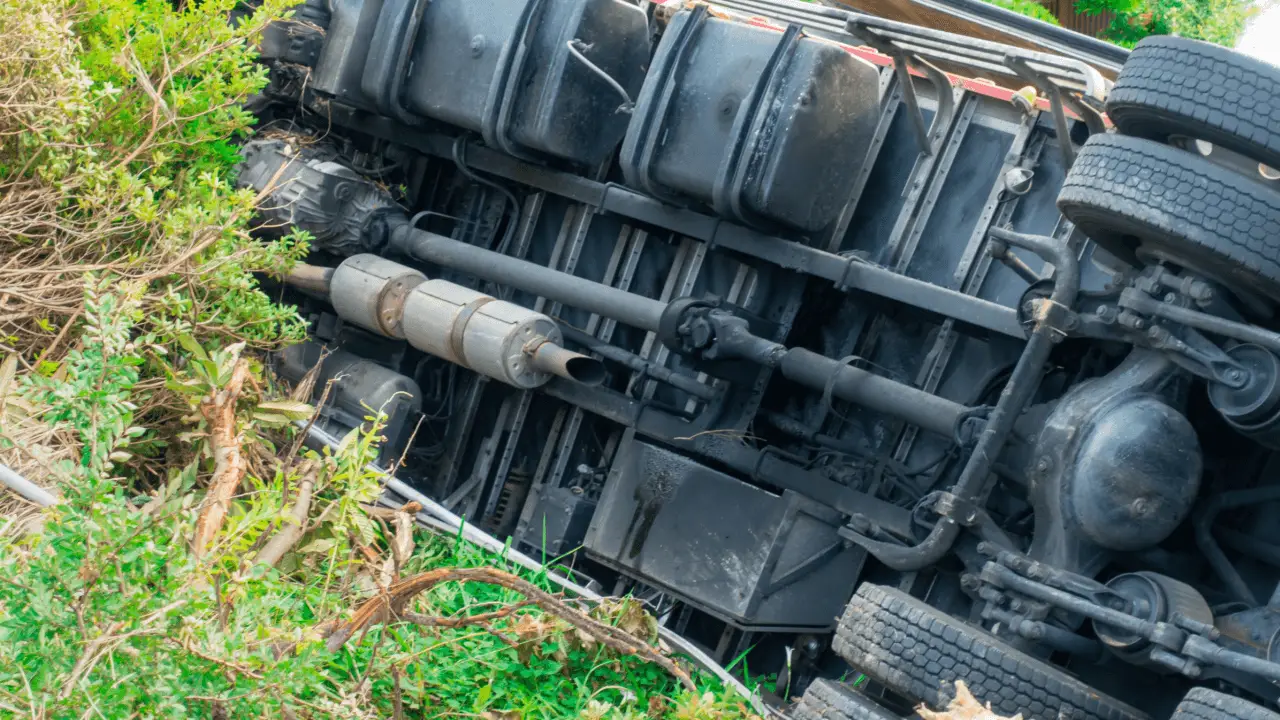
Determining Fault in Truck Accidents: Legal Guide
Injury Terms Explained: Determining Fault in Truck Accidents
When a commercial truck crashes into your vehicle, understanding liability becomes critical to protecting your rights. Determining fault in truck accidents differs from typical car accident claims because multiple parties may bear responsibility, and federal regulations create accountability standards beyond passenger vehicle collisions.
Truck accident victims face mounting medical bills and lost wages while insurance companies minimize payouts. This guide explains how evidence establishes negligence, which regulations apply, and how to secure maximum compensation.
Legal Process: How Insurance Companies Assess Truck Accident Liability
Insurance adjusters examine specific evidence when determining fault in truck accidents. Driver logs reveal hours-of-service violations, which Federal Motor Carrier Safety Administration data identifies as a significant contributing factor to commercial truck crashes.
Electronic logging devices provide timestamped proof of driving duration and speed patterns. Black box data captures brake application, throttle position, and collision forces seconds before impact. Maintenance records expose whether companies properly inspected brakes and tires. Cargo documentation shows if freight was secured correctly, as improper loads cause rollovers.
Police reports establish initial fault, though investigations often reveal additional liable parties. Witness statements, traffic camera footage, toxicology results, and cell phone records build comprehensive liability cases that determine which parties pay damages.
Options Compared: Multiple Parties Who May Share Fault
Truck Driver Responsibility
Drivers bear personal liability for negligent actions causing crashes. Speeding, unsafe lane changes, distracted driving, and operating while fatigued or impaired constitute driver negligence.
Trucking Company Accountability
Motor carriers share liability through employee actions and operational negligence. Companies that pressure drivers to exceed hour limits, fail background checks, or inadequately train operators create dangerous conditions.
Maintenance Provider Liability
Third-party maintenance companies face fault when inadequate repairs cause mechanical failures. Brake malfunctions, tire blowouts, and steering failures from improper service establish maintenance provider negligence.
Manufacturer Defects
Manufacturers bear strict liability when defective components cause accidents. Faulty brakes, defective tires, and airbag malfunctions shift responsibility to product makers without requiring negligence proof.
Cargo Loading Companies
Loading operations share fault when improper securing causes crashes. Overloaded trailers, unbalanced freight, and unsecured cargo violate federal regulations and create liability.
Compensation Advantages: Understanding Damages After Proving Fault
Establishing clear liability directly impacts financial recovery. Commercial trucking insurance policies typically carry substantially higher coverage limits than passenger vehicle policies.
Compensation may cover economic damages including medical expenses, lost wages, reduced earning capacity, and property damage. Victims with severe injuries like spinal cord damage or traumatic brain injuries may pursue substantial settlements reflecting lifetime care needs.
Non-economic damages can compensate pain and suffering, emotional distress, and loss of life enjoyment. California law allows juries to evaluate these damages in most truck accident cases. Comparative negligence rules reduce recovery proportionally if you share fault, making clear liability important.
Punitive damages may become available when companies demonstrate gross negligence. Systematic safety violations, knowingly employing unqualified drivers, or falsifying records can trigger additional penalties beyond compensatory damages.
Legal Solutions: Overcoming Common Fault Determination Challenges
Trucking companies employ aggressive defense strategies. They dispatch investigation teams within hours, pressure drivers to minimize company responsibility, and destroy evidence. Experienced representation counters these tactics through spoliation letters and independent investigations.
Insurance adjusters claim victims share fault through contributory negligence theories, arguing you were speeding or could have avoided collision. Legal teams rebut these defenses by demonstrating truck driver violations were primary cause. California’s pure comparative negligence allows recovery even with partial fault.
Some companies operate under multiple business entities to shield assets. Effective strategies identify all responsible parties through corporate analysis and ensure each liable entity contributes to settlement.
Federal preemption defenses claim state laws don’t apply because federal regulations govern safety. Skilled attorneys demonstrate how state tort claims complement federal oversight, allowing full compensation under California law while citing federal violations as negligence evidence.
Key Legal Outcomes: Determining Fault in Truck Accidents Successfully
Successfully determining fault in truck accidents requires comprehensive evidence gathering, expert analysis of federal compliance, and strategic legal presentation. Victims who document crash scenes and preserve evidence may benefit from experienced legal representation.
Liability determination establishes which parties may be responsible for compensating injuries. Understanding how trucking companies, drivers, maintenance providers, manufacturers, and cargo loaders can contribute to crashes helps identify potentially responsible parties.
Get Legal Help: Free Truck Accident Claim Review Available
If you’ve been injured in a truck accident, our network of experienced truck accident attorneys offers free case evaluations to assess your liability evidence and identify potentially responsible parties. We connect clients with attorneys throughout California who work on contingency fees.
For attorneys seeking to expand their practice, finding quality exclusive trucking accident cases requires strategic marketing and lead generation. Our platform connects personal injury lawyers with verified truck accident victims who need immediate legal representation through paid advertising services.
Frequently Asked Questions
1. Who typically bears fault in truck accidents involving multiple vehicles?
Liability often falls on the truck driver or trucking company, though investigation may reveal shared responsibility among several parties including other motorists, maintenance providers, or cargo loaders depending on specific crash circumstances.
2. How long does determining fault in truck accidents usually take?
Basic liability determinations occur within weeks, though complex cases involving multiple parties, disputed evidence, or federal regulation violations may require months of investigation before establishing clear fault percentages.
3. What happens if I'm partially at fault for the truck accident?
California’s pure comparative negligence allows recovery even with partial fault, reducing your compensation by your fault percentage. Your recovery amount is reduced proportionally based on your degree of responsibility.
4. Can trucking companies be held liable even if the driver wasn't their employee?
Yes, companies face liability through negligent hiring of independent contractors, inadequate safety oversight, improper truck maintenance, or violations of federal leasing regulations that make them responsible for contractor actions.
5. What evidence is most important for determining fault in truck accidents?
Electronic logging device data, black box recordings, driver qualification files, maintenance records, and hours-of-service logs provide crucial proof of negligence that can help establish liability in your case.
Key Takeaways
- Determining fault in truck accidents requires analyzing driver behavior, company policies, maintenance records, and federal regulation compliance to identify all liable parties.
- Multiple entities including trucking companies, drivers, maintenance providers, manufacturers, and cargo loaders may share responsibility for crash damages.
- Commercial truck insurance policies carry substantially higher coverage limits than passenger vehicle policies, which can impact potential recovery in serious injury cases.
- Electronic logging devices, black box data, and maintenance documentation provide objective evidence that establishes clear liability and prevents trucking company defenses.
- Experienced legal representation can help preserve critical evidence, identify all responsible parties, and counter trucking industry defense tactics.
Free Accident Claim Review
Complete the form to have an attorney review your accident claimCOMPLETE THE FORM TO BE CONNECTED WITH AN ACCIDENT ATTORNEY
No Matching Partners at the Moment
Thank you for your inquiry but there are no matches for you at this time. Please come back later and try again.

Recent Posts
- Determining Fault in Truck Accidents: Legal Guide
- Commercial Truck Accident Fault: Understanding Liability
- Truck Driver vs Trucking Company Liability: Legal Guide
- Who Is at Fault in a Truck Accident? Legal Guide to Liability & Compensation
- Truck Accident Fault and Liability: Complete Legal Analysis Guide
Archives
- May 2026
- April 2026
- March 2026
- February 2026
- January 2026
- December 2025
- November 2025
- October 2025
- September 2025
- August 2025
- July 2025
- June 2025
- May 2025
- March 2025
- February 2025
- January 2025
- October 2024
- September 2024
- August 2024
- July 2024
- June 2024
- May 2024
- April 2024
- March 2024
- February 2024
- January 2024
- December 2023
- November 2023
- October 2023
- September 2023
- August 2023
- July 2023
- June 2023
- May 2023
- March 2023
- February 2023
- January 2023
- November 2022
- October 2022
- September 2022
- August 2022
- May 2022
- April 2022
- March 2022
- February 2022
- January 2022
- December 2021
- November 2021