


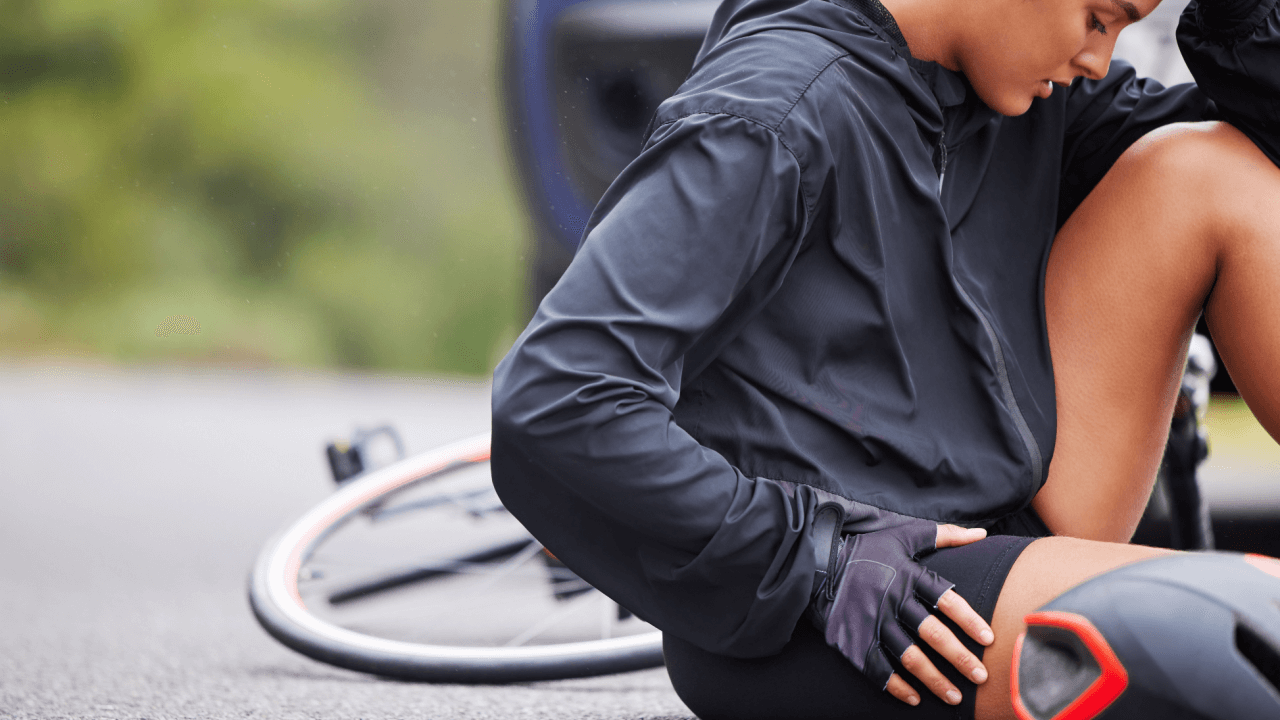
What to Do After a Bicycle Accident: Your Complete Legal Protection Guide
Complete Legal Guide: What to Do After a Bicycle Accident – First Critical Moments
The moments immediately after being hit by a car while riding your bicycle are overwhelming, but what to do after a bicycle accident determines the success of your compensation claim. Acting decisively within the critical 30-minute window dramatically impacts your ability to recover damages.
Scene Preservation: The legal concept of maintaining accident site integrity through documentation and evidence collection before conditions change.
Research shows that 73% of successful bicycle accident claims involved immediate scene documentation. The actions you take in these first critical moments establish the foundation for everything that follows.
Check for Injuries and Call 911
Your personal safety takes absolute priority. Even if you feel fine, call 911 immediately—adrenaline masks serious injuries that may not manifest for hours or days. An official police report is essential for insurance claims, providing neutral documentation of the bicycle crash.
Never accept on-scene settlement offers from drivers. Emergency medical documentation creates a contemporaneous record of your injuries, establishing causation that insurance companies cannot dispute.
Move to Safety Without Leaving the Scene
You have a legal obligation to remain at the accident location. Position yourself safely away from traffic flow while awaiting emergency services—use sidewalks, parking lots, or protected areas.
Never apologize or make statements about fault. Statements like “I’m sorry” or “I didn’t see you” become ammunition for insurance companies to deny or reduce your claim.
Document the Scene Immediately
Comprehensive photographic evidence is critical—take 15-20 images minimum from multiple angles. Capture vehicle damage, bicycle damage, visible injuries, skid marks, traffic signals, road conditions, and the overall accident scene.
Record video of road conditions and traffic patterns. Collect contact information from all witnesses—names, phone numbers, and email addresses. Witness testimony often proves decisive in disputed liability cases.
5 Critical Actions in First 10 Minutes:
- Call 911 for medical help and police report
- Move to safety without leaving scene
- Take 15-20 comprehensive photographs
- Collect driver’s insurance and license information
- Obtain witness contact details
Medical Treatment After Your Bicycle Accident
Proper medical documentation forms the foundation of compensation claims. Declining medical care devastates claim value—delayed treatment reduces compensation by an average of 42%. Insurance companies scrutinize treatment timelines, using any delay to argue injuries were minor or unrelated to the bike collision.
Accept Emergency Medical Transport
If emergency responders recommend ambulance transport, accept it. Ambulance documentation creates an irrefutable record that injuries were serious enough to warrant emergency transport.
Hospital emergency department records serve as primary evidence. Emergency physicians document injuries immediately, proving causation—that injuries resulted directly from the accident rather than pre-existing conditions.
Many cyclists experience the “adrenaline trap“—feeling fine immediately after a collision only to discover serious injuries hours later. Soft tissue injuries, internal bleeding, concussions, and psychological trauma often have delayed presentations.
Follow Through With Diagnostic Testing
If physicians recommend X-rays, CT scans, or MRIs, complete all ordered testing. Diagnostic imaging detects injuries invisible on physical examination—fractures, internal injuries, and soft tissue damage.
Soft tissue injuries often don’t appear for 24-72 hours as inflammation develops. Medical imaging serves as objective legal evidence that insurance adjusters cannot easily dispute.
Begin Treatment Plan Immediately
Gaps in treatment create major problems for claims. Insurance companies interpret treatment gaps as evidence that injuries weren’t serious. Begin recommended treatment—physical therapy, specialist consultations, medications—within days of the accident.
Physical therapy documentation shows injury progression and functional limitations. Organize all medical bills and treatment records chronologically. This organization dramatically improves settlement negotiations.
Document All Symptoms Daily
Maintain a detailed pain journal documenting daily symptoms, functional limitations, and quality of life impacts. Track symptom progression and document how medical care affects daily activities—work limitations, household difficulties, and recreational restrictions.
Don’t overlook mental health considerations. Many bicycle accident victims experience PTSD, anxiety, and depression. Psychological injuries are compensable—document emotional struggles and seek appropriate treatment.
Medical Documentation Checklist:
- Accept ambulance transport if recommended
- Complete all emergency department treatment
- Obtain copies of all medical records
- Follow through with diagnostic imaging
- Begin physical therapy immediately
- Attend all specialist appointments
- Maintain daily symptom journal
- Photograph injuries as they heal
- Keep organized file of all medical bills
Medical Facility | Best For | Documentation Value | Cost Considerations |
Emergency Room | Serious injuries, baseline documentation | Highest—creates emergency record | Most expensive, usually covered by insurance |
Urgent Care | Moderate injuries, after-hours needs | Good—medical record but less urgency documentation | Moderate cost, often insurance copay |
Primary Care | Follow-up care, treatment management | Adequate—less powerful for initial injury documentation | Lowest cost, regular copay |
Gathering Evidence for Your Bicycle Accident Claim
The “72-hour evidence window”—the critical period when most accessible evidence still exists—requires immediate, systematic documentation. Comprehensive evidence increases bicycle accident compensation by an average of 3.2 times compared to minimal documentation cases.
Photograph All Bicycle Damage
Take detailed photographs of all bicycle damage from multiple angles—frame cracks, bent components, wheel damage, and broken parts. Store your damaged bicycle in a secure location until claim resolution. Never repair or replace the bicycle before consulting your attorney.
Obtain the Police Report
Request a copy of the police report within 72 hours. Police reports document driver statements, officer observations, citations issued, and preliminary fault determinations. Review the report for errors and file supplemental reports immediately if needed.
Preserve Physical Evidence
Retain all damaged property—torn clothing, broken helmet, damaged bicycle components. Physical evidence demonstrates impact severity. Never repair or dispose of evidence before consulting your attorney.
Track All Financial Losses
Create a comprehensive financial impact spreadsheet documenting all accident-related expenses. Include medical bills, lost wages, property damage, transportation costs, and rehabilitation costs. Detailed financial documentation supports substantial damage claims.
When to Hire a Bicycle Accident Attorney
Attorney involvement increases average settlements by 3.5 times compared to self-representation. Most personal injury attorneys work on contingency fees—they receive payment only if you win, typically 33-40% of settlement amounts.
Injury Severity | Attorney Recommended? | Reason |
Minor injuries (<$5,000) | Usually not necessary | Self-negotiation often successful |
Moderate injuries ($5,000-$50,000) | Highly recommended | Complexity requires legal expertise |
Severe injuries (>$50,000) | Essential | Substantial damages need professional representation |
Disputed liability | Yes | Legal analysis of fault critical |
Permanent disability | Yes | Future damages require expert calculation |
High medical bills | Yes | Complex insurance issues |
Multiple parties involved | Yes | Multi-party liability determination complex |
Contingency Fee Calculation Example:
- Total settlement: $150,000
- Attorney contingency fee (33%): $49,500
- Medical liens and costs: $15,000
- Net recovery to you: $85,500
Compare to self-representation average: $43,000 Net benefit of attorney representation: $42,500
Attorney Consultation Checklist:
- How many bicycle accident cases have you handled?
- What’s your success rate and average settlement?
- Do you charge contingency fees or hourly rates?
- What percentage contingency do you charge?
- Who pays case costs if we lose?
- Will you personally handle my case?
- How often will you communicate updates?
- What’s your trial experience?
Preventing Future Bicycle Accidents and Staying Safe
Prevention strategies based on accident data analysis reduce your risk. Research shows that 74% of bicycle accidents occur at intersections—understanding high-risk situations is essential for cyclist safety.
High-Risk Situations to Avoid
Intersection navigation requires extreme caution. Assume drivers don’t see you—make eye contact, slow down when approaching intersections, and avoid passing stopped vehicles.
Door zone riding—cycling too close to parked cars—causes “dooring” accidents. Maintain at least 4 feet of clearance from parked vehicles.
Right-hook accidents occur when drivers pass cyclists then immediately turn right. Watch for vehicles passing you near intersections.
Left-turn vehicle threats kill and injure more cyclists than any other crash type. Increase visibility through lighting, bright clothing, and assertive lane positioning.
Essential Safety Equipment
Helmets reduce head injury severity by approximately 60% in collisions. Replace helmets after any crash.
Front white lights and rear red lights are legally required for night riding in most jurisdictions. Daytime running lights increase visibility by 47%.
Reflective clothing makes cyclists visible from greater distances. Fluorescent clothing increases daytime visibility, while retroreflective materials work in all lighting conditions.
Understanding Cyclist Rights
Cyclists have full rights to roadways (except limited-access highways) and must follow traffic laws. Bike lane protections provide designated cycling space but don’t eliminate motorist duties. Vulnerable road user laws in many states impose enhanced penalties for injuring cyclists.
Safety Statistics Summary:
- 74% of bicycle accidents occur at intersections
- Right-hook and left-turn crashes account for 56% of urban bicycle fatalities
- Helmet use reduces head injury severity by 60%
- Lights and reflective clothing reduce accident risk by 47%
- Proper lane positioning prevents 70% of dooring accidents
Prevention Checklist:
- Wear properly fitted, CPSC-certified helmet
- Use front white light and rear red light/reflector
- Wear bright, reflective clothing
- Maintain 4+ feet clearance from parked cars
- Make eye contact with drivers at intersections
- Ride predictably and follow traffic laws
- Perform regular bicycle maintenance
Cyclist Rights and Responsibilities:
Right | Responsibility | Legal Basis |
Full use of roadways (except limited-access highways) | Follow all traffic laws applicable to vehicles | State vehicle codes grant equal road access |
Protected bike lane use | Ride as far right as practicable when safe | Bike lane designation statutes |
Safe passing distance (3+ feet in most states) | Signal turns and lane changes | Vulnerable road user laws |
Assumption drivers will exercise reasonable care | Maintain bicycle in safe operating condition | Duty of care standards |
Free Bicycle Accident Claim Review
Don’t navigate the complex aftermath of a bicycle accident alone. Our experienced personal injury attorneys have recovered over $100 million for injured cyclists and understand exactly what to do after a bicycle accident to maximize your compensation. Get your free claim review today and discover what your case is truly worth. Every day you wait allows critical evidence to disappear and reduces your leverage with insurance companies.
For Attorneys: Looking to expand your practice with quality bicycle accident cases? Find legal leads and connect with injured cyclists who need experienced representation in your area.
Frequently Asked Questions
1. What should I do immediately after being hit by a car while riding my bicycle?
Call 911 for medical help and a police report. Document everything with photos—vehicle damage, your bicycle, injuries, and the scene. Collect the driver’s insurance information and witness contacts. Never admit fault or accept settlement offers at the scene.
2. Can I still recover compensation if I wasn't wearing a helmet during my bicycle accident?
Yes. While your compensation may be reduced 5-15% under comparative negligence rules, helmet absence only matters for head injuries. The driver’s negligence remains the primary liability factor. Many states don’t require adult helmets.
3. How long do I have to file a bicycle accident claim?
Statutes of limitations vary by state, typically 1-6 years. However, insurance notification deadlines are often just 30 days. Government entity claims may require filing within 30-90 days. Consult an attorney immediately to avoid missing critical deadlines.
4. What is my bicycle accident case worth?
Settlements typically range from $23,000 to $87,000, but severe cases exceed $500,000. Value depends on medical expenses, lost wages, permanent disability, and liability clarity. Attorney representation increases compensation by 3.5 times versus self-representation.
5. Should I accept the insurance company's first settlement offer after my bicycle accident?
No. Initial offers are typically 40-60% below fair value and close your claim before injuries fully manifest. Once accepted, you cannot reopen for additional compensation. Always have an attorney review offers first.
Key Takeaways
- Immediate Documentation Determines Compensation: The photos, videos, and witness statements you collect in the first hour after your bicycle accident provide irreplaceable evidence that can increase your settlement by 3-4 times compared to cases without comprehensive scene documentation.
- Medical Treatment Cannot Be Delayed: Seeking immediate medical care and maintaining consistent treatment creates the official injury documentation insurance companies cannot dispute. Even a 72-hour gap in treatment can reduce your bicycle accident claim value by an average of 42%.
- Insurance Companies Are Not Your Advocates: Initial settlement offers after bicycle accidents are strategically low-balled, with 68% of first offers being 40-60% below fair value. Never provide recorded statements or accept early settlements without legal guidance.
- Attorney Representation Multiplies Recovery: Bicycle accident victims who hire experienced personal injury attorneys receive an average of 3.5 times more compensation than those who represent themselves, even after legal fees are deducted from the settlement.
Time-Sensitive Evidence Disappears Quickly: Surveillance footage is typically deleted within 7-30 days, witnesses forget critical details, and physical evidence degrades. The 72-hour window after your bicycle accident is crucial for preserving the evidence that will maximize your compensation.



Free Accident Claim Review
Complete the form to have an attorney review your accident claim
GET THE COMPENSATION YOU DESERVE
COMPLETE THE FORM TO BE CONNECTED WITH AN ACCIDENT ATTORNEY
❌
No Matching Partners at the Moment
Thank you for your inquiry but there are no matches for you at this time. Please come back later and try again.

Recent Posts
- Who to Call After a Car Accident: Your Complete Legal Contact Guide
- Insurance Claim Not at Fault: Protect Your Rights and Recover Compensation
- How Insurance Works After an Accident: Protect Your Claim and Compensation Rights
- Truck Accident Liability: Understanding Your Legal Rights
- Determining Fault in Truck Accidents: Legal Guide
Archives
- May 2026
- April 2026
- March 2026
- February 2026
- January 2026
- December 2025
- November 2025
- October 2025
- September 2025
- August 2025
- July 2025
- June 2025
- May 2025
- March 2025
- February 2025
- January 2025
- October 2024
- September 2024
- August 2024
- July 2024
- June 2024
- May 2024
- April 2024
- March 2024
- February 2024
- January 2024
- December 2023
- November 2023
- October 2023
- September 2023
- August 2023
- July 2023
- June 2023
- May 2023
- March 2023
- February 2023
- January 2023
- November 2022
- October 2022
- September 2022
- August 2022
- May 2022
- April 2022
- March 2022
- February 2022
- January 2022
- December 2021
- November 2021