


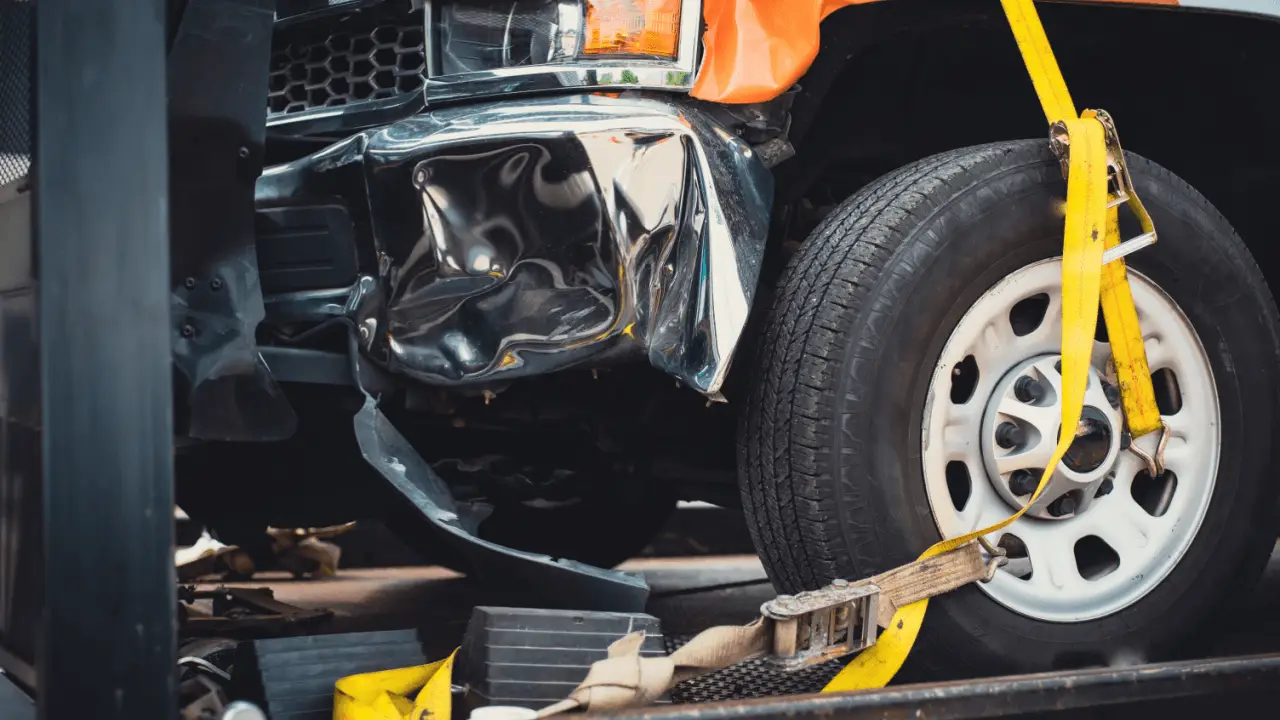
Truck Accident Liability: Understanding Your Legal Rights
Legal Foundation: Truck Accident Liability Principles
Truck accident claims involve identifying all parties whose negligence contributed to the collision. Responsibility may include drivers, carriers, brokers, shippers, manufacturers, and maintenance providers. Law allows injured victims to pursue claims against every party whose actions or failures caused their injuries.
Establishing responsibility in trucking accidents differs from passenger vehicle crashes due to complex commercial relationships and federal oversight. Understanding who bears legal responsibility determines which parties you can pursue and which insurance policies apply.
This guide explains the legal theories used to establish responsibility, identifies potentially liable parties, and outlines how victims can protect their rights.
Liability Theories: How Truck Accident Liability Gets Established
Negligence Standards
These cases begin with proving negligence through four elements: duty of care, breach of that duty, causation, and damages. Commercial carriers face heightened standards beyond ordinary drivers.
Federal regulations create specific obligations for vehicle maintenance, driver qualifications, and operational procedures. Violating these regulations often establishes negligence per se, making claims easier to prove.
Strict Liability Applications
Some claims do not require proving negligence. Manufacturers face strict liability when defective components cause crashes. These claims only require showing the defect existed and caused injuries.
Vicarious Liability Doctrine
Trucking companies bear truck accident liability for employee actions under respondeat superior principles. This applies when drivers cause accidents while performing job duties, even without direct company wrongdoing.
Responsible Parties: Who Bears Truck Accident Liability
Motor Carriers and Fleet Operators
Trucking companies may be held responsible through multiple pathways. They face vicarious responsibility for driver negligence and direct responsibility for inadequate hiring, poor training, and insufficient vehicle maintenance. Companies that pressure drivers to violate hours-of-service limits create dangerous conditions leading to crashes.
Brokers and Freight Forwarders
Transportation brokers who arrange shipments may share responsibility when they fail to verify carrier safety ratings or insurance coverage. Federal law requires brokers to maintain bonds and verify carrier credentials.
Shippers and Cargo Loaders
Companies that ship freight may face liability when improper loading causes crashes. Overweight shipments that exceed federal limits create stopping problems. Unbalanced loads cause rollovers. Inadequately secured cargo creates road hazards.
Leasing Companies and Equipment Providers
Truck leasing companies may bear responsibility when they provide defective vehicles or fail to maintain leased equipment. Equipment rental companies that supply trailers with faulty brakes face claims when mechanical failures cause collisions.
Parts Manufacturers and Repair Facilities
Component manufacturers may be held liable when faulty parts cause crashes. Repair facilities that perform inadequate service bear liability when negligent work causes mechanical failures.
Proving Claims: Establishing Truck Accident Liability Through Evidence
Required Documentation
Successfully establishing a claim requires comprehensive evidence collection including driver qualification files, hours-of-service logs, vehicle maintenance records, and electronic logging device data.
Preservation letters sent immediately after crashes prevent evidence destruction. Companies often delete electronic data and dispose of damaged equipment that might establish liability.
Expert Analysis
Accident reconstruction specialists analyze crash dynamics. Safety experts review federal regulation compliance. Mechanical engineers examine vehicle defects. Each expert contributes to building comprehensive truck accident liability cases.
Claims Process: Pursuing Truck Accident Liability Recovery
California law provides two years from the accident date to file personal injury lawsuits in most situations. Shorter deadlines apply when government entities are involved. Prompt investigation preserves critical evidence.
Insurance companies often dispute fault aggressively. They claim victims contributed to accidents or minimize injury severity. Legal representation counters these tactics through thorough investigation.
Your Rights: Understanding Truck Accident Liability Claims
A clear understanding of how liability is determined empowers victims to identify all responsible parties. Multiple defendants often bear shared responsibility, making thorough investigation essential.
Experienced legal guidance helps navigate complex commercial relationships, federal regulations, and insurance coverage issues.
Seek Counsel: Get Your Truck Accident Liability Case Reviewed
Understanding how responsibility applies to your case requires analysis of your specific circumstances, available evidence, and applicable legal theories. Our network connects injured victims with attorneys experienced in commercial vehicle crashes who offer free case evaluations.
Attorneys focusing on transportation injury litigation can enhance their practice development through exclusive trucking accident client acquisition strategies. These professional marketing services identify and deliver prospective clients injured in semi-truck, 18-wheeler, and big-rig incidents.
Frequently Asked Questions
1. What is truck accident liability and how does it differ from car accidents?
Truck accident liability involves multiple commercial parties including carriers, brokers, shippers, and manufacturers operating under federal regulations, creating more complex responsibility issues than typical passenger vehicle collisions.
2. Can I pursue truck accident liability claims against multiple parties?
Yes, California law allows claims against every party whose negligence contributed to your injuries, including drivers, companies, equipment providers, and cargo handlers who share responsibility.
3. How long do I have to file truck accident liability claims?
California generally provides two years from the accident date for personal injury claims, though government involvement or specific circumstances may create shorter deadlines.
4. What evidence proves truck accident liability most effectively?
Driver qualification files, hours-of-service logs, maintenance records, electronic logging device data, safety policies, and expert reconstruction analysis provide crucial proof of negligence and causation.
5. Do I need an attorney to establish truck accident liability?
While not legally required, experienced representation helps identify all responsible parties, preserve critical evidence, navigate federal regulations, and counter aggressive insurance defense tactics effectively.
Key Takeaways
- Truck accident liability extends beyond drivers to include carriers, brokers, shippers, manufacturers, and maintenance providers based on their role in causing collisions.
- Multiple legal theories including negligence, strict liability, and vicarious responsibility establish different pathways for proving truck accident liability against various parties.
- Federal Motor Carrier Safety Administration regulations create heightened duty-of-care standards that make establishing commercial carrier negligence more straightforward than ordinary vehicle cases.
- Comprehensive evidence collection including electronic data, maintenance records, and company policies is essential for proving truck accident liability against corporate defendants.
- California provides limited time to file claims, making prompt investigation and legal consultation important for preserving rights and identifying all responsible parties.
Free Accident Claim Review
Complete the form to have an attorney review your accident claimCOMPLETE THE FORM TO BE CONNECTED WITH AN ACCIDENT ATTORNEY
No Matching Partners at the Moment
Thank you for your inquiry but there are no matches for you at this time. Please come back later and try again.

Recent Posts
Archives
- May 2026
- April 2026
- March 2026
- February 2026
- January 2026
- December 2025
- November 2025
- October 2025
- September 2025
- August 2025
- July 2025
- June 2025
- May 2025
- March 2025
- February 2025
- January 2025
- October 2024
- September 2024
- August 2024
- July 2024
- June 2024
- May 2024
- April 2024
- March 2024
- February 2024
- January 2024
- December 2023
- November 2023
- October 2023
- September 2023
- August 2023
- July 2023
- June 2023
- May 2023
- March 2023
- February 2023
- January 2023
- November 2022
- October 2022
- September 2022
- August 2022
- May 2022
- April 2022
- March 2022
- February 2022
- January 2022
- December 2021
- November 2021